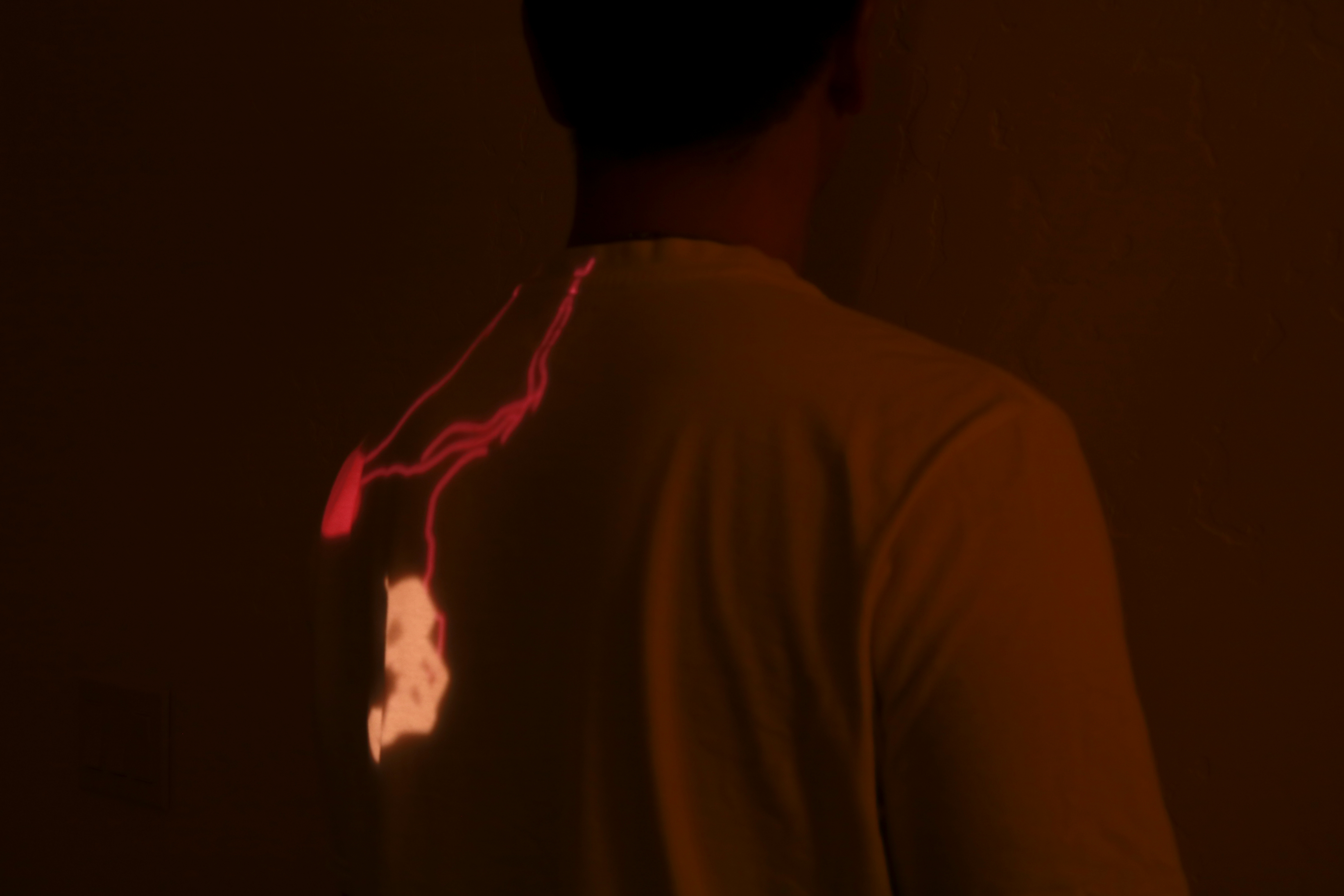
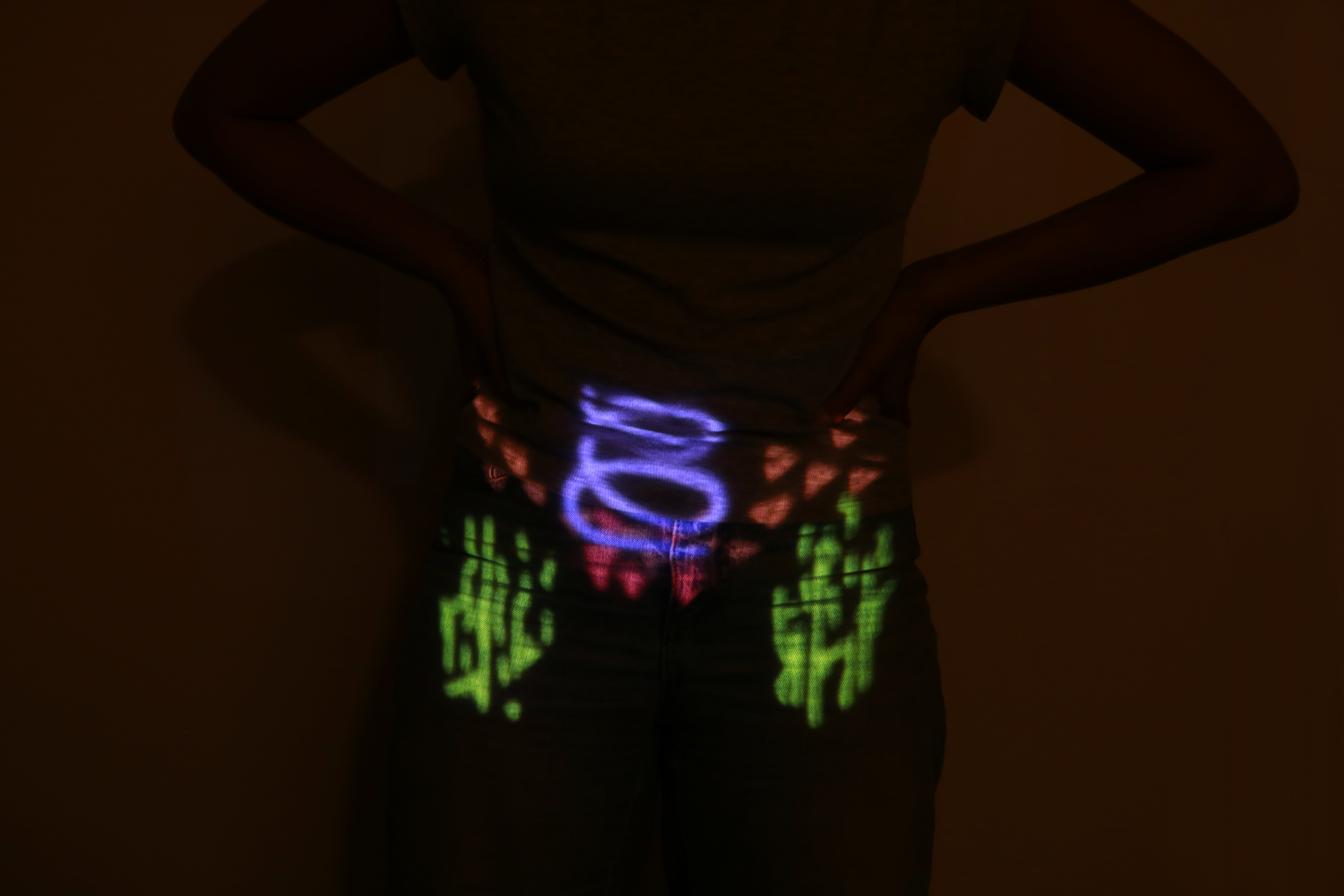
Pain is rich with nuance, context & meaning.
The experience of pain is not purely dictated by stimulus and response. In addition to biological & physiological factors, it is also influenced by psychology, behavior, social context and culture. These components play a role in how the brain interprets and modulates the signals it receives.
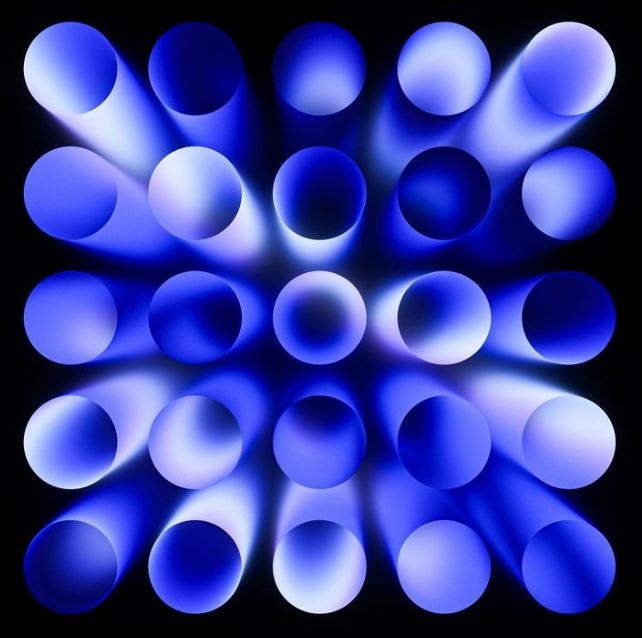
Language flattens the experience
Language is an imperfect tool to describe sensation. We rely on metaphors of weapons: stabbing, hammering, prickling, to describe pain. This creates a negative relationship with pain that only worsens its experience. Even then, pain cannot be wholly described, especially within a healthcare system facing burnout, where the time to listen to patient stories is scarce.
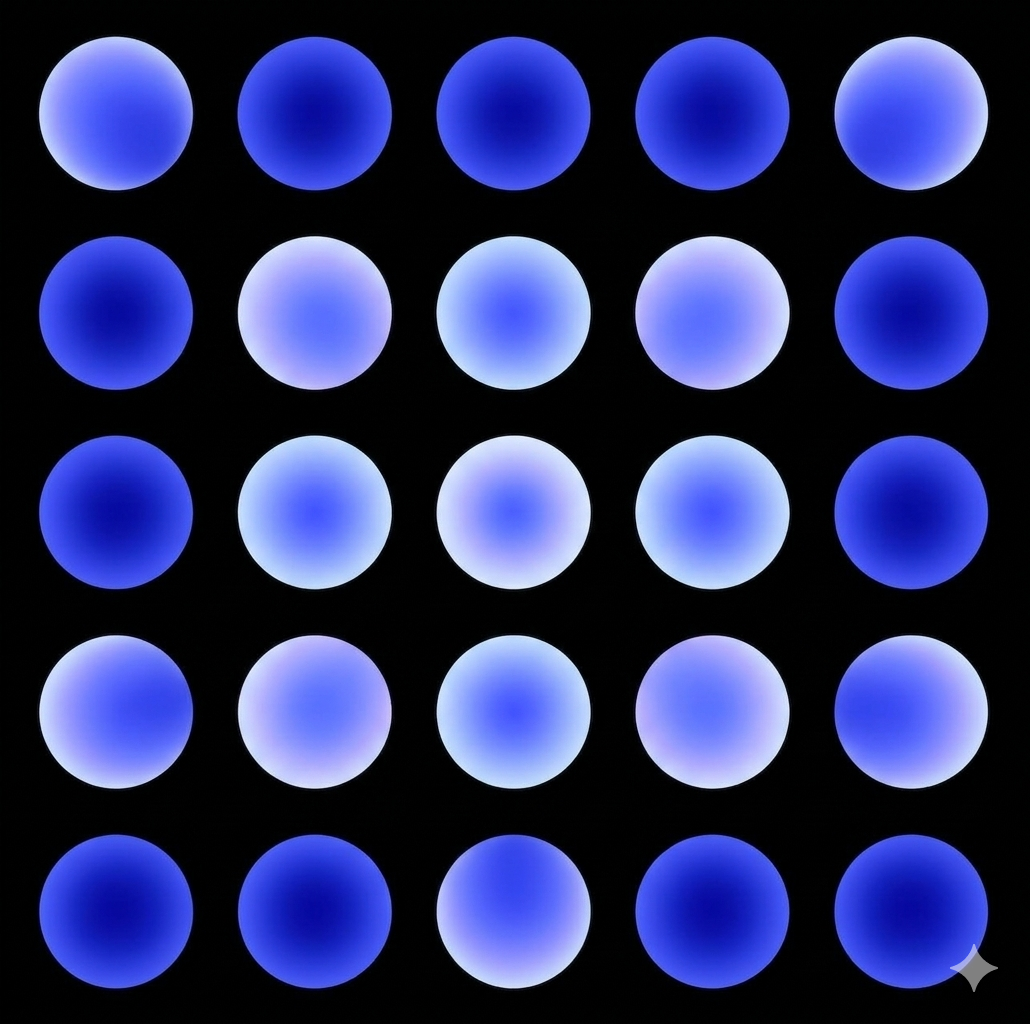
The pain scale turns it into a singular point.
How can we assign an objective measure to an inherently subjective experience?

"English, which can express the thoughts of Hamlet and the tragedy of Lear, has no words for the shiver and the headache. It has all grown one way. The merest schoolgirl, when she falls in love, has Shakespeare or Keats to speak her mind for her; but let a sufferer try to describe a pain in his head to a doctor and language at once runs dry."Virginia Woolf, On Being Ill
Pain is more than just a feeling neatly rated between 1 and 10. It holds important nuances in sensation, experience and meaning. The ways in which we describe pain and other symptoms today leaves these experiences susceptible to minimization, dismissal and misdiagnosis.
"Your pain is normal."
Endometriosis exemplifies how the system fails when it comes to pain.
The condition is characterized by intense cyclic and progressive pain, often misdiagnosed as period cramps or IBS. Most, if not all, women with endometriosis have been told at some point that their pain is 'normal'.
The system tells women that excruciating, nauseating pain is normal. Despite its prevalence, endometriosis has no effective cures. Nevertheless, getting just a diagnosis has been described as life-changing for the women that receive it, because their pain is finally validated, free from a system of medical gaslighting. But that diagnosis takes an average of 9 years. This cannot be explained by scientific slowness alone; it reflects systemic disbelief and a cultural pattern of ignoring and minimizing pain.
The 1-10 scale is definitely plays a role in this.
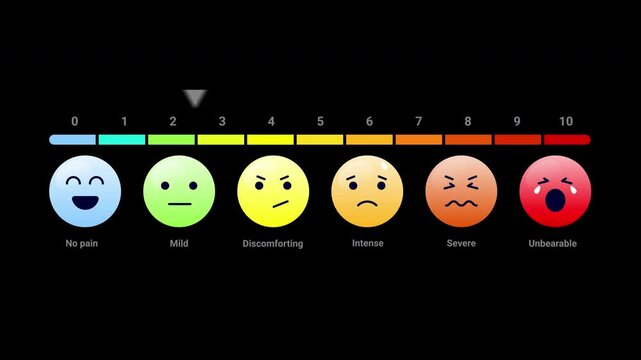
Pain is universal. The language to share it is not.
So what if this scale
Looked more like this?
What if there were ways to enable humans to access more nuanced, embodied representations of pain?
What if patient expression could become a diagnostic aid rather than a barrier?
What are ways to shift the experience of patient advocacy from a fight against the system to one of care and trust?
Pain needs a new language.
ILLUMINATE creates a new visual language for the communication and documentation of pain. It breaks down the dimensions of pain (spatial, temporal, movement, intensity, etc.) and allows users to pinpoint and map nuance in a way that words and numbers alone cannot. Different sensations have different qualities and meaning, each of which can be expressed and understood.
"The success of the physician's work will often depend on the acuity with which he, or she can hear the fragmentary language of pain, coax it into clarity, and interpret it."Elaine Scarry, The Body in Pain
Preliminary Data
"When I'm in pain, I have now a way to show to my doctors: this is what I felt on this day. I can draw it, and I can save it, and it's gonna be a good representation of what I felt on that day."Patient — Suspected Endometriosis
"Seeing my pain represented in that way really made me think of it differently. I realized it's a part of me and I should be taking care of it more."Patient — Chronic IBS
"I think that could be really interesting for trying to understand somebody's pain who has a lot of it, because that's a hard thing to do. Somebody comes to you with a lot of pain, they want to unpack it all and you don't always have all the time to do it. So optimizing the visual representation of pain could be very helpful for doctors."Pain Specialist — Stanford Medicine
"When you put it on the body, I'm keying in on that spot on his left scapula — that's where the rhomboids are. That's probably where he's got something going on right there. So that's much more specific than saying I have back pain, and much more helpful for me."Pain Specialist — Stanford Medicine
Try it yourself
Draw on the canvas to map your sensations
For the full experience, launch the Illuminate tool ↗
On a dark canvas, users draw with glowing, animated strokes, each layer representing a different sensation. The result is a pain'ting: an expressive, embodied record of an experience words were never adequate to hold.
Over time, a new longitudinal dataset of the individual experience of pain is built; one that supports patient advocacy and access to understanding and care.
Click to flip
Pilot Clinical Study, Stanford Pain Management Center
Pilot Clinical Study, Lucille Packard Children's Hospital